If you’ve ever stood in a kitchen that smells faintly of smoky nostalgia, you might not realize the sheer amount of culinary history—and grease—trapped within the ventilation system. Rangehoods are unsung heroes of the kitchen, working tirelessly to keep our cooking fumes from overwhelming our homes. But over time, they become veritable grease traps, accumulating layers of carbonized residue that aren't just unsightly, but genuinely hazardous. So, when it comes time for a deep clean, how do professionals tackle this sticky foe? Understanding what specialized equipment do rangehood cleaners use? is key to appreciating the skill, science, and surprisingly complex gear involved in restoring your kitchen's breathability.

A deep clean goes far beyond wiping down surfaces; it involves tackling hardened, polymerized fats that have been baking at high temperatures for years. This isn't a job for a simple sponge and dish soap. It requires a specialized toolkit designed to safely access, break down, and remove industrial-grade buildup without damaging the delicate electrical components of your appliance.
The Science of the Sticky Problem
Before we dive into the gear, it is crucial to understand the enemy. Grease buildup is not just "dirty"; it is a chemical hazard. When oils and fats are exposed to extreme heat, they undergo a process called polymerization, turning liquid grease into a hard, tar-like substance. This residue acts like a blanket, reducing efficiency and, more worryingly, creating a severe fire risk.
The Danger of Neglected Filtration
The most immediate danger of a dirty rangehood is decreased airflow. Watch here When the filters and internal ducts are choked, the appliance has to work harder, drawing more power and increasing heat concentration. This accumulation of heat and combustible material is the primary concern. Are you sure that simply running the hood for an hour isn't enough? Not when the problem has been building up for months!

Beyond the Visible Grime
The specialized nature of cleaning is rooted in the structure of modern appliances. Rangehoods vary wildly—from sleek, minimalist chimney styles to heavy-duty built-in units. Each design presents unique challenges, requiring knowledge of ventilation mechanics. A professional must diagnose not only the visible grease but also the underlying structural weaknesses and potential buildup in the ductwork that is often hidden from view.
Essential Tools: What Specialized Equipment Do Rangehood Cleaners Use?
When considering what specialized equipment do rangehood cleaners use?, the list moves far beyond vacuum cleaners. The tools are a sophisticated mix of mechanical, chemical, and protective gear, each serving a critical function in the restoration process.
Mechanical Extraction and Scraping Tools
The first line of defense against hardened grease is mechanical removal. Since the buildup is often rock-hard, simple scraping won't cut it.
- Industrial-Grade Scrapers and Knives: These are not your average kitchen utensils. They are designed with specific angles and durable materials (like stainless steel or specialized polymers) to peel and lift hardened residue without scratching the metal housing. High-Powered Vacuum Systems: Forget the small household canister. Professionals utilize commercial-grade wet/dry vacs equipped with HEPA filtration. These powerful vacuums are necessary to suck up the slurry of grease and particulate matter, ensuring that nothing is left behind to re-accumulate. Brushes and Bristle Kits: Specialized brushes are used in narrow crevices and vents that standard tools cannot reach, ensuring every corner is thoroughly scrubbed.
Chemical Solutions and Safety Gear
The physical removal is only half the battle; breaking down the polymerized fats requires chemical expertise.
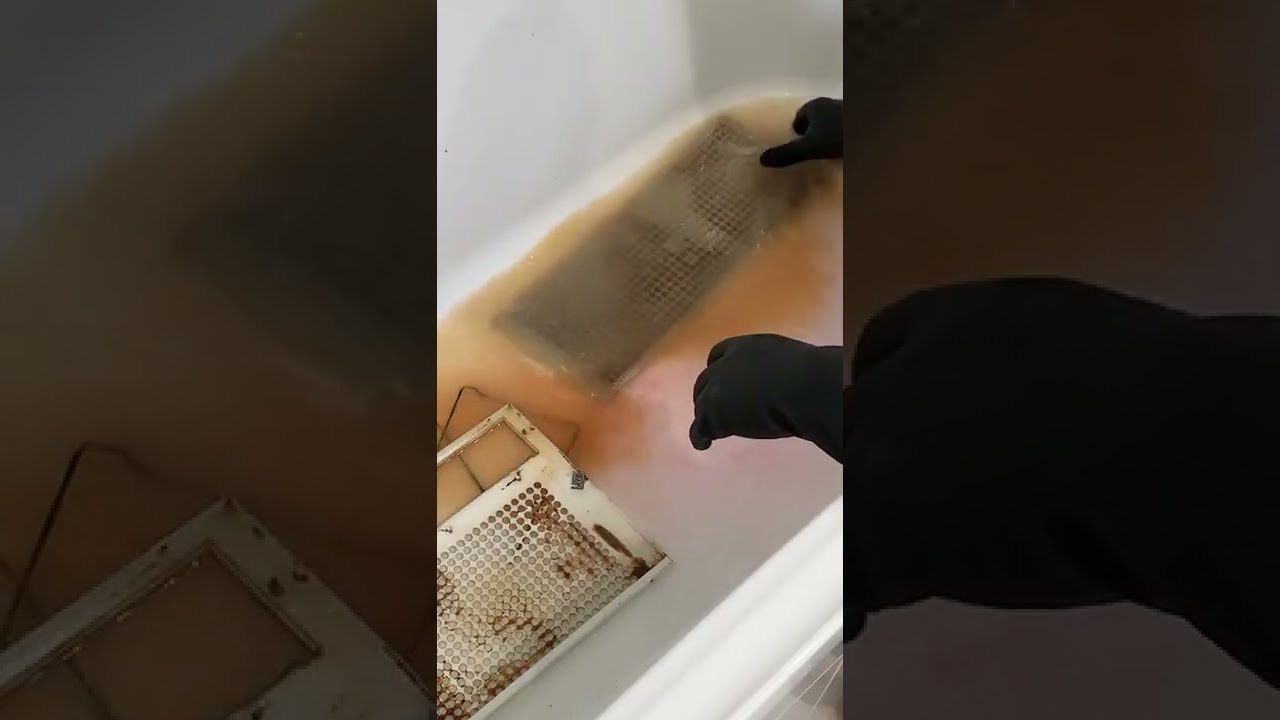
- Enzymatic and Degreasing Agents: These chemicals are formulated to break the molecular bonds of polymerized fats without damaging the metal or plastic components. They act like a gentle, highly effective solvent, liquefying the solid buildup so it can be easily scraped or vacuumed. Neutralizing Agents: After the heavy degreasing, neutralizing agents are used to ensure that the remaining residue is safe for the appliance’s electrical components and that the overall environment is safe for the client. Personal Protective Equipment (PPE): This is non-negotiable. Cleaners wear respirators and chemical-resistant gloves. Why? Because they are handling volatile, oily, and sometimes corrosive substances.
Precision and Safety Equipment
The specialized equipment list also includes items focused entirely on safety and detailed access.
- Fiber Optic Lights and Endoscopes: To truly know the extent of the damage, cleaners use miniature cameras and bright lights. This allows them to view the internal ductwork—the hidden plumbing of the rangehood—and ensure that all buildup is visible and addressed. Custom-Designed Removal Tools: Because no two rangehoods are alike, some cleaners carry modular tools that adapt to different brands, models, and sizes of filtration systems.
The Art of the Clean: Process and Expertise
The combination of these tools and chemical agents means that the job is less about brute force and more about systematic, scientific cleaning. It requires a craftsman’s touch and a chemist’s knowledge.
Anecdotally, I recall cleaning a vintage rangehood in a historic kitchen. The grease buildup wasn't just on the filter; it had stained the internal copper ductwork, creating a deep, oxidized patina. The team had to use a specialized pick combined with a mild acid solution to gently lift the oxidized layers without compromising the structural integrity of the antique metal. It was a delicate operation, proving that the job requires more than just muscle.
As one industry expert wisely stated, "Proper cleaning isn't just aesthetic; it's preventative maintenance that safeguards both the appliance and the occupants."
Maintaining Peak Performance After the Clean
So, what happens after the specialized equipment has done its magic? The conversation shifts from deep cleaning to prevention. Can a deep clean truly solve all your kitchen woes? Only if it's paired with proper daily habits.
Understanding what specialized equipment do rangehood cleaners use? helps demystify the process, but remembering simple maintenance tips will extend the life of your investment.
- Filter Cleaning: Clean mesh filters regularly (weekly, depending on use). Most modern filters are dishwasher safe, but check the manufacturer's guidelines. Grease Traps: If your rangehood has a visible grease trap, empty and clean it according to local codes. Ventilation: Never rely solely on the rangehood. Always use your kitchen's natural ventilation (like opening a window) in conjunction with the appliance.
The journey to a spotless, safe kitchen starts with knowing the complexity of the job. By appreciating the specialized equipment and the rigorous process involved, you can better understand the value of professional care. Don't wait for a smoky, sticky emergency to strike. By integrating professional cleaning into your routine maintenance schedule, you ensure your rangehood continues to perform like a well-oiled machine, keeping your kitchen air fresh and your cooking fumes at bay for years to come.